The Story Behind Memoir of Things™
I’ve always been a collector.
Objects have followed me through every stage of my life, quietly accumulating meaning along the way. Some are beautiful. Some are practical. Some are sentimental. Some . . . are just there.
Together, they add up to a lot of stuff. And I’m content living among it. I’m not trying to purge my life or strip it down to essentials. My belongings reflect where I’ve been, who I’ve loved, what I’ve learned, and how I’ve lived.
I’ve come to realize that I don’t simply own them—I appreciate them. They quietly remind me of people, places, and moments that have shaped my life.
The problem isn’t having things—it’s realizing that I am the only person who knows what they mean.
That realization grew stronger as I began thinking about the future.
I don’t have children, and I know that when I’m gone, I won’t have control over what happens to the objects I leave behind. Even for people who do have families, the truth remains the same: no one else knows every chapter of your life. Not your spouse. Not your children. Not your closest friends.
We each carry histories that no one else fully witnessed.
That truth became deeply personal when my mother was dying.
Near the end of her life, she dictated a document to me describing how she wanted certain cherished objects distributed. We treated it like a will. There was even a witness.
And yet . . .
After she was gone, my brother and I found ourselves standing in the middle of her life, sorting through rooms filled with belongings whose stories we didn’t know.
We didn’t know why she kept them.
Where they came from.
What moments they represented.
They weren’t “valuable” in the traditional sense—
But they were pieces of her life.
Some items, like family photos and artwork, had destinations.
Many ended up in a dumpster.
That experience stayed with me.
Like many, I encountered the wave of decluttering philosophies that encouraged me to rethink what I keep. Marie Kondo’s now-famous question—“Does it spark joy?”—became part of that cultural conversation. I even found myself thanking certain objects before letting them go, acknowledging the role they had played in my life.
Margareta Magnusson’s The Gentle Art of Swedish Death Cleaning offers a practical approach to organizing my life by downsizing my belongings so that my loved ones don’t have to do it after I’m gone.
The logic is generous and sensible. And yet, something about it made me hesitate.
I wanted to leave behind a legacy, not a burden—but I also didn’t want the meaning behind my belongings to disappear along with the objects themselves.
It wasn’t the idea of letting go that gave me pause.
It was the thought that their meaning could disappear along with them.
I began to see this not just as a question of what to keep, but as a shift—from clutter to connection.
Memoir of Things™ grew out of this quiet understanding:
Our belongings may not last forever, but the stories behind them don’t have to disappear.
This isn’t about controlling what others do with our things.
It’s about offering context instead of confusion.
Meaning instead of mystery.
It’s a way to capture the meaning behind the things we keep.
Each object becomes its own story—something specific and personal, often known only to the person who lived it.
When those stories are captured, they take shape as individual pages—each one preserving a moment in time.
Over time, those pages begin to form something larger:
A memoir, shaped not by chronology, but by meaning—so that the people who come after us are left not just with our things, but with an understanding of what they meant.
That is the heart of Memoir of Things.
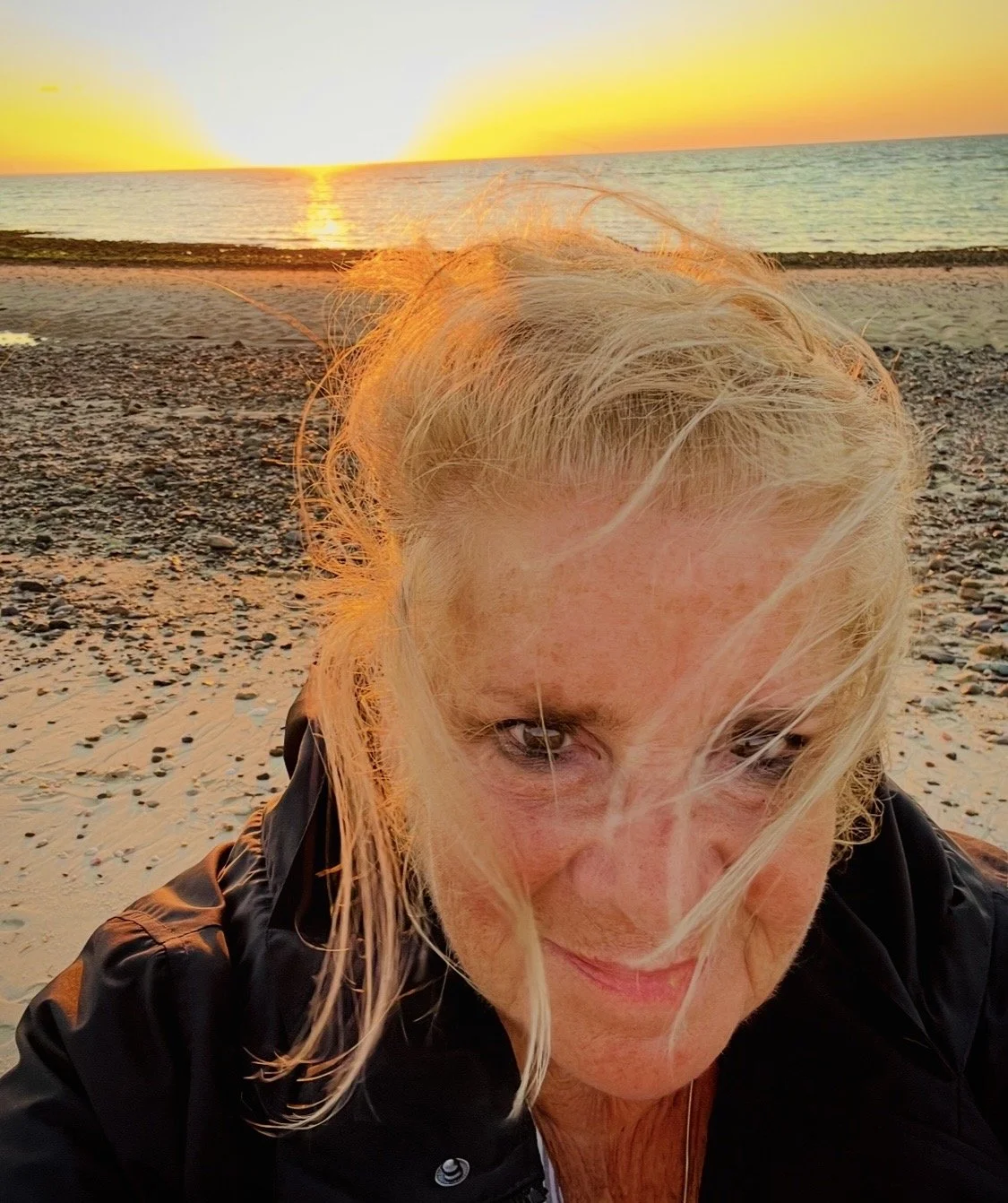
Cindy Strousse
Founder, Memoir of Things
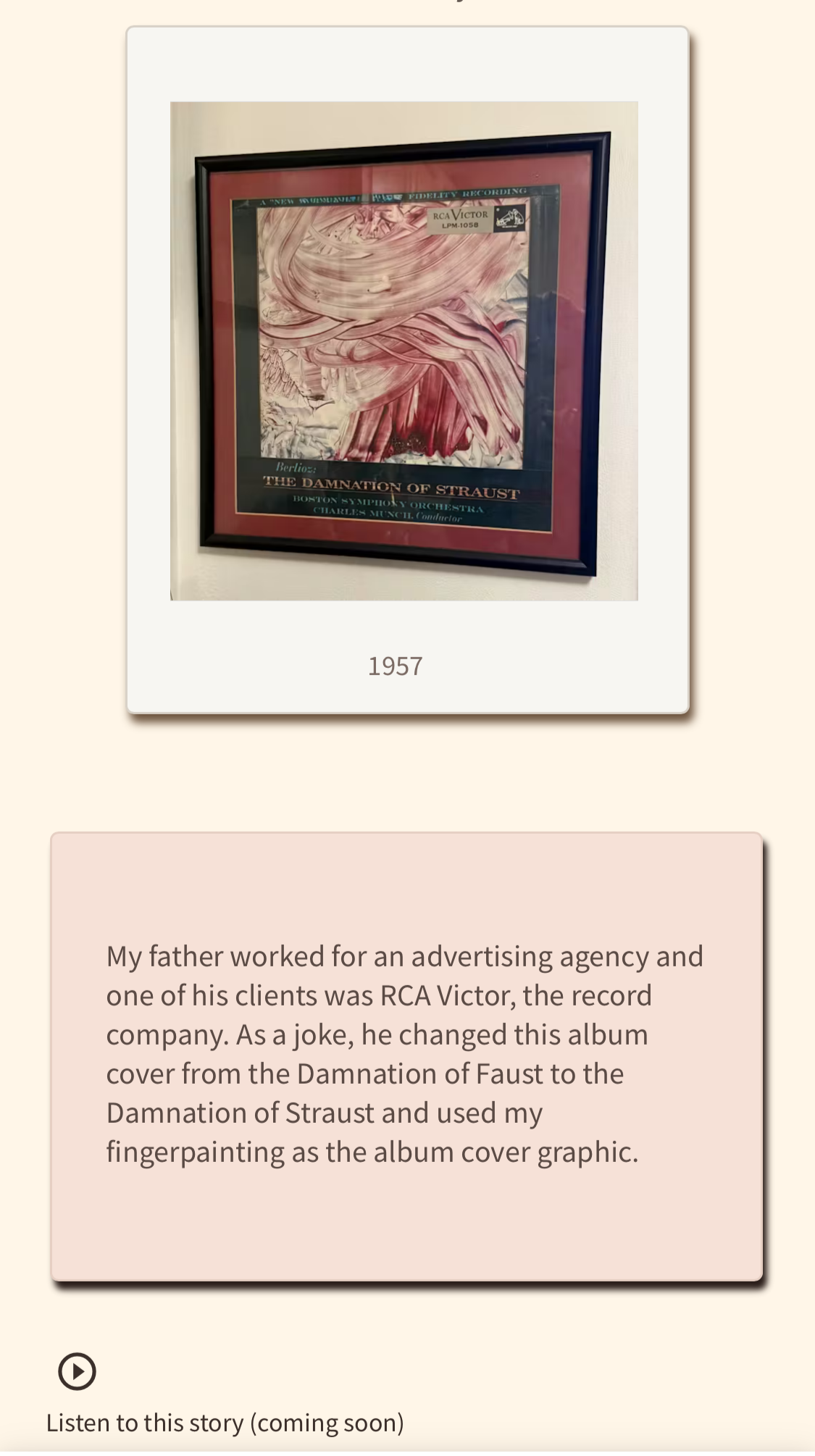
A Memoir of Things Sample Story